
Solar hybrid storage
Panels feed the loads in the day and charge the battery. The battery carries the evening, the night and the power cuts. The grid fills the gaps.
Who it suits
- Homes and businesses with a roof that gets good sun
- Sites that want lower daytime grid use and power during cuts
- Anyone adding batteries to an existing solar array, or planning the two together
What is included
- A roof survey: space, shade, direction and structure
- Panels, mounting, DC cabling and protection sized together with the storage unit
- A hybrid unit that charges from panels and grid and powers your chosen circuits
- Commissioning, monitoring set-up and a short handover
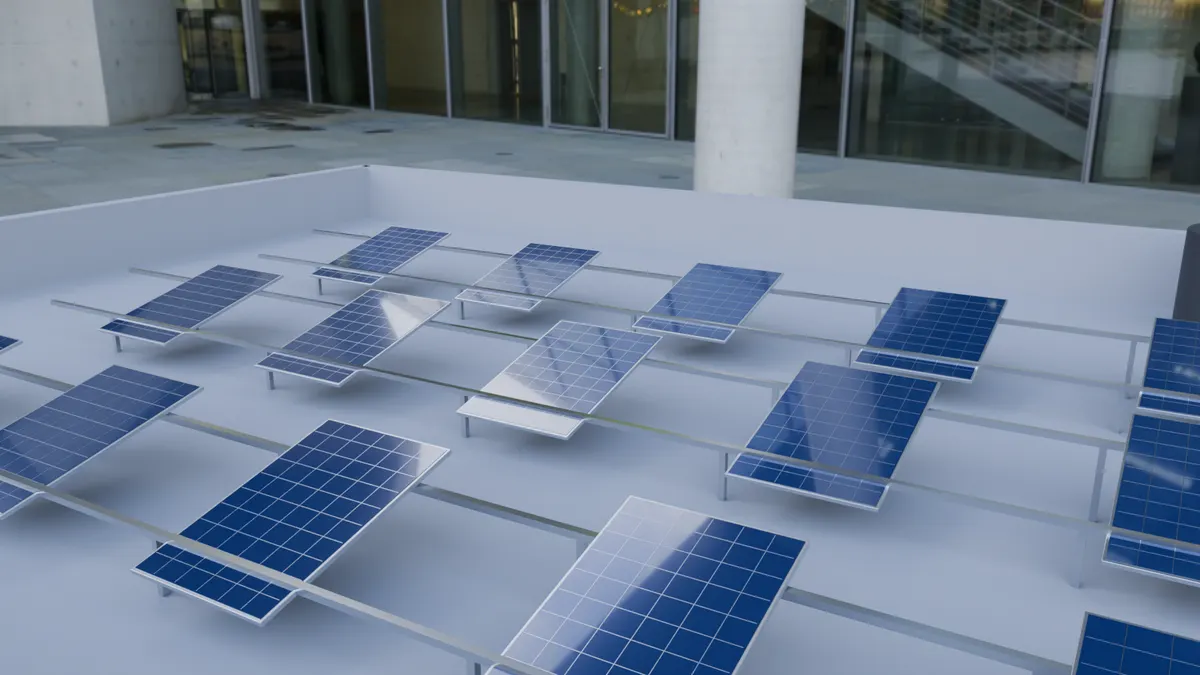
Planning numbers
| Load | Typical running power | Note |
|---|---|---|
| Panel area for 1 kW of solar | About 5 to 6 square metres | Depends on the panel rating |
| Typical energy from 1 kW of panels | About 4 to 5 kWh a day | Location and season dependent |
| Shading | Even a little reduces output | We check on the survey |
| Roof direction | South facing is best in India | East or west also works with a little loss |
Typical values for planning. Your nameplates decide the real figure.
Things worth knowing
A hybrid system disconnects from the grid during a cut and powers only your essential circuits; this is a safety requirement, not a fault.
Rules for exporting power to the grid and for net metering differ by state and utility. We check yours on the survey and tell you what applies.
Add panels first and a bigger battery later, or the other way round; we plan the wiring so either works.
Price, make, model, usable capacity and warranty are in your written quote. We do not publish a price list because the right system depends on your load and your site.
Get a quote for your site
Tell us what you run and where. We reply with a sized system and a written quote.