
Backup power, sized for what you actually run
Sodium-ion and lithium systems for homes, shops, offices and industry. We measure your load, size the system to it, install it neatly and look after it afterwards.
- No water top-ups
- Solar-ready
- Quiet, no fumes
- Written quote
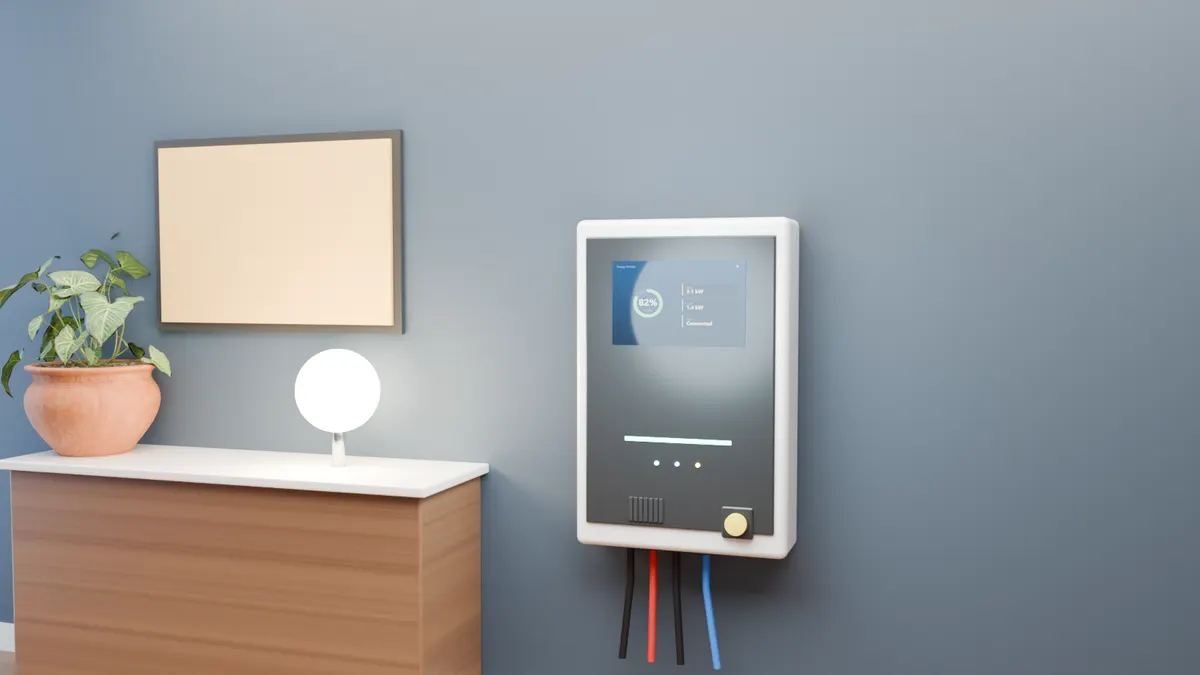
One approach, four kinds of site
Every system starts with the same question: what must keep running, and for how long?
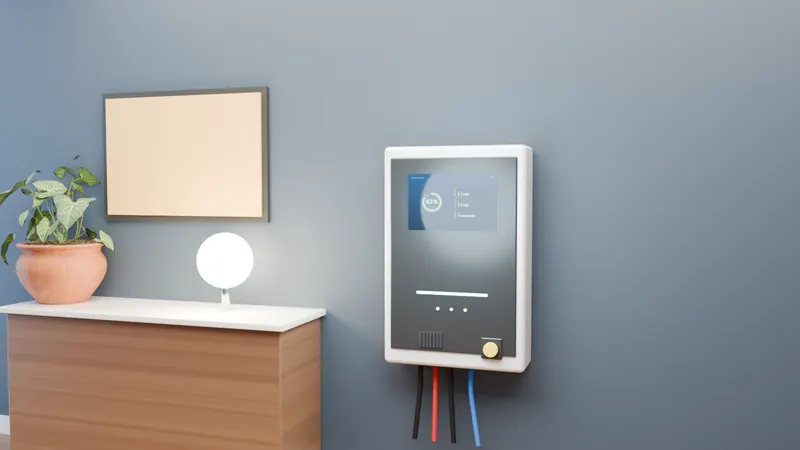
Home backup, 3.5 kW class
Keeps lights, fans, router, fridge and an inverter air conditioner running through a power cut.
See the system →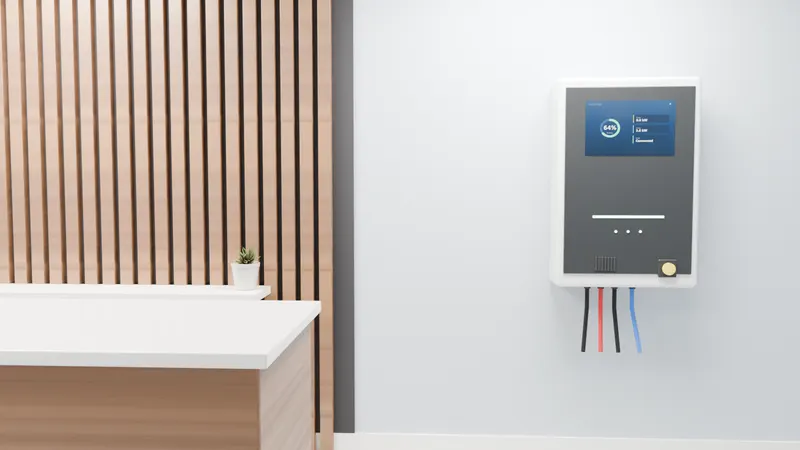
Shop and office, 5 kW class
Keeps tills, CCTV, network and lighting up so the working day does not stop.
See the system →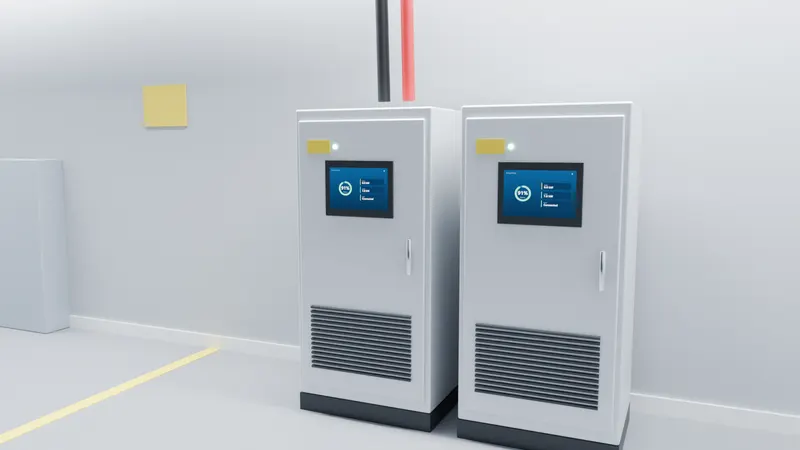
Industrial, 10 kW class
Backup for pumps, compressors and small machines, with start-up surge handled properly.
See the system →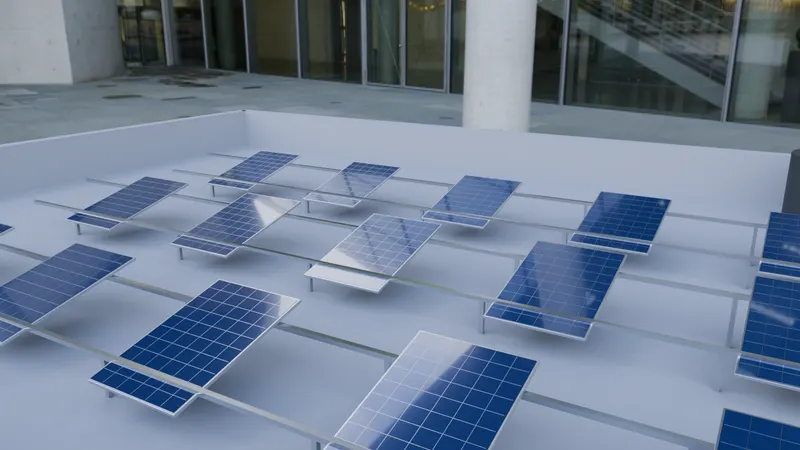
Solar hybrid, Panels plus battery
Add panels and let the battery carry the evening, the night and the power cuts.
See the system →Less to look after, more that keeps working
Sealed, no top-ups
No distilled water, no acid handling and no corroded terminals. A yearly check is all it needs.
Built for Indian rooms
Sodium-ion cells are designed to work across a wide temperature range, which suits hot plant rooms and unconditioned spaces.
Solar-ready
Many all-in-one units include a solar charge controller, so panels can be added now or later.
Honest sizing
We size to measured load and your required hours, not to the biggest box on the shelf.
From a power cut to a quiet, working system
Check your load
We list what must stay on, read the nameplates and note any motors that surge when they start.
Size and quote
You get the system, the usable capacity, the warranty and the price in one written quote.
Install and commission
Neat wiring, labelled circuits, a tested changeover and a one-page guide left at your site.
Look after it
A yearly check, software updates and one phone number to call if anything looks wrong.
Sodium-ion, lithium or lead-acid?
There is no single best battery. This is how the three compare for backup power.
| Sodium-ion | Lithium iron phosphate | Lead-acid | |
|---|---|---|---|
| Water top-ups | None | None | Needed on flooded types |
| Weight for the same energy | Heavier than lithium, much lighter than lead-acid | Lightest | Heaviest |
| Charge cycles | Thousands (varies by maker) | Several thousand | A few hundred to about a thousand |
| Heat and cold | Designed for a wide range | Good; charging limited when freezing | Loses capacity in cold, ages fast in heat |
| Purchase price | Usually above lead-acid | Usually above lead-acid | Lowest |
| Track record | New to India's market | Well established | Longest |
Typical ranges for planning only. The datasheet of the exact system in your quote is what counts.
Sodium-ion vs lead-acid · Sodium-ion vs lithium · How sodium-ion works
Quick answers
What is a sodium-ion battery?
It stores energy the way a lithium-ion battery does, by moving ions between two electrodes, but the moving ion is sodium instead of lithium. Sodium is abundant, and these cells do not need cobalt or nickel. For backup power the practical points are a sealed battery with no water top-ups, a wide working temperature range and a long cycle life.
Is sodium-ion better than lead-acid?
For most backup jobs, yes on running cost and effort: no water top-ups, no acid handling, far more charge cycles and less weight for the same usable energy. Lead-acid still costs less to buy, so for a rarely used backup with a small load it can be the sensible choice. Our sizing call covers both.
Is sodium-ion better than lithium?
They suit different jobs. Lithium iron phosphate packs store more energy in less space and have a longer track record. Sodium-ion packs are heavier and bulkier for the same energy, but are designed to tolerate a wider temperature range and avoid lithium supply issues. If space is tight, lithium usually wins; if the room gets very hot or very cold, sodium-ion is worth a look.
How long will a battery run my home or shop?
Divide the usable battery energy (kWh) by your load (kW). A battery with 5 kWh usable running a 0.5 kW load lasts about 10 hours, a little less after inverter losses. Use the sizing calculator to add up your own loads.
Can it run an air conditioner?
An inverter air conditioner can run from a correctly sized system; its compressor starts gently, so the surge is modest. A non-inverter air conditioner or a pump draws a much larger surge when it starts, so the inverter has to be sized for that peak, not just the running figure. We check the nameplate before we quote.
Get a quote for your site
Tell us what you run and where. We reply with a sized system and a written quote.